



Understanding correlations between financial assets is essential for any trader looking to approach markets with a broader perspective. These relationships allow you to anticipate indirect moves, reduce risk, avoid overexposure, and build smarter strategies. In this chapter, we explore what correlations are, how they behave, common examples in the market, and how to use them practically.
What is a correlation and why does it matter?
A correlation measures the degree to which two financial instruments move in relation to each other. It is expressed as a coefficient from -1 to +1:
- +1: Perfect positive correlation. Both assets move in the same direction.
- 0: No statistical relationship.
- -1: Perfect negative correlation. Assets move in opposite directions.

Understanding these relationships helps traders avoid redundant positions, identify complementary opportunities, and protect their portfolios during volatility.
Types of correlation and their dynamic nature
Correlations are not fixed. They can change over time due to:
- Shifts in monetary policy
- Economic or geopolitical crises
- Interest rate fluctuations
- Sector-specific or regional news
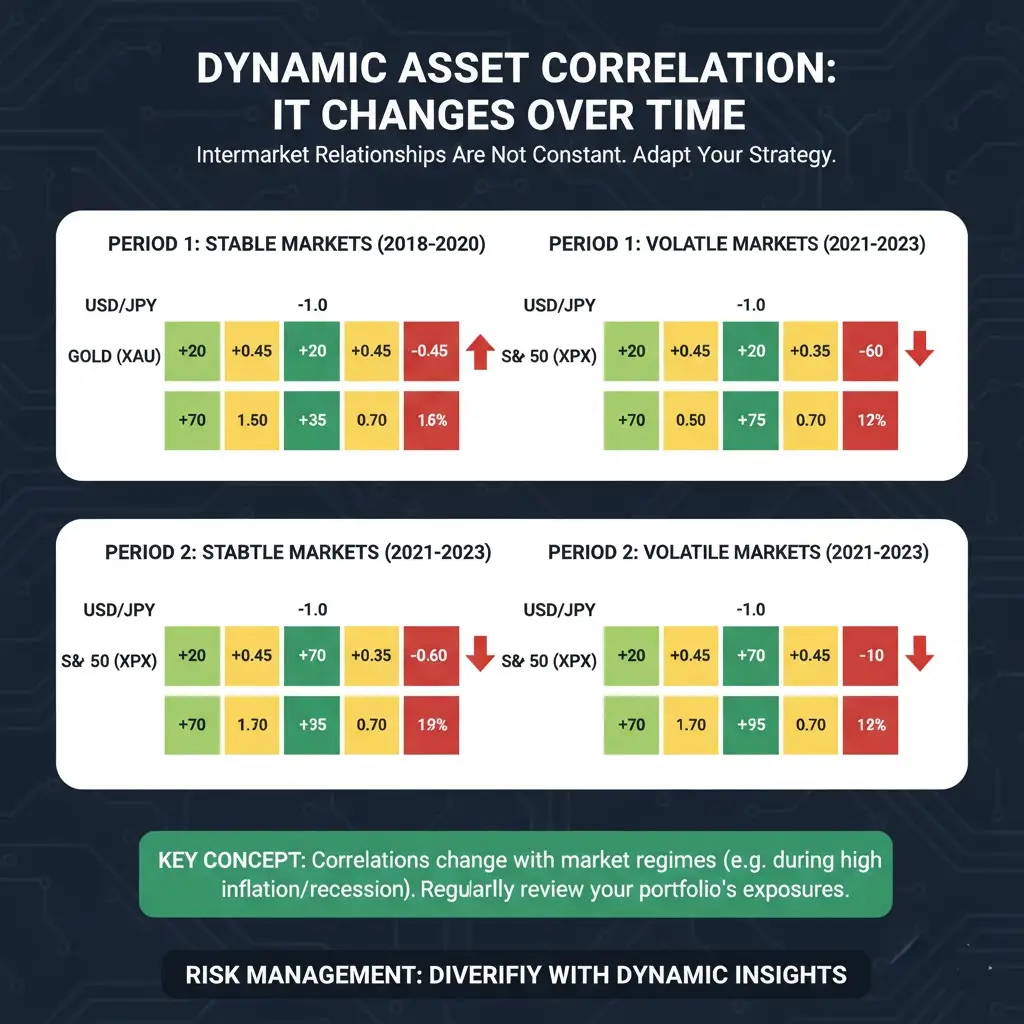
That means any correlation-based strategy must be constantly updated. What’s a strong relationship today might weaken or reverse tomorrow.
Classic Market Correlations
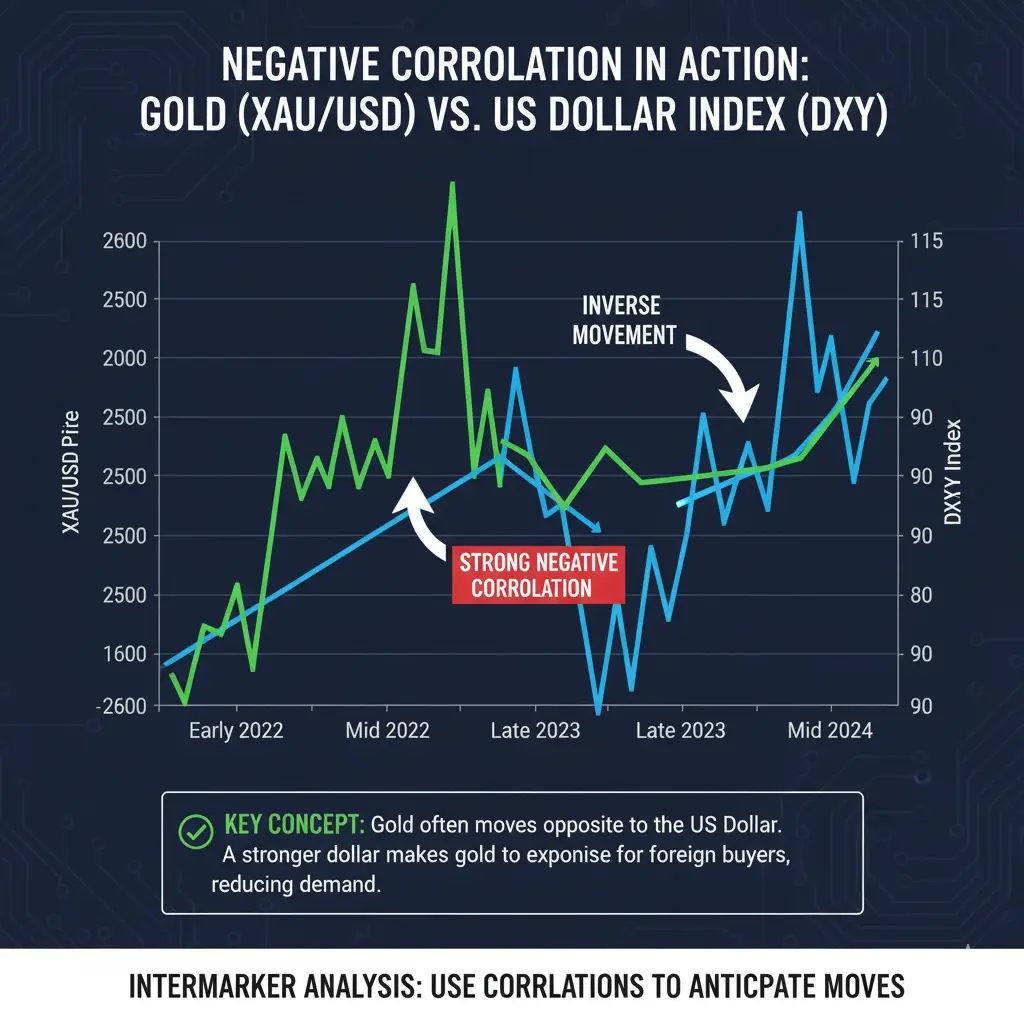
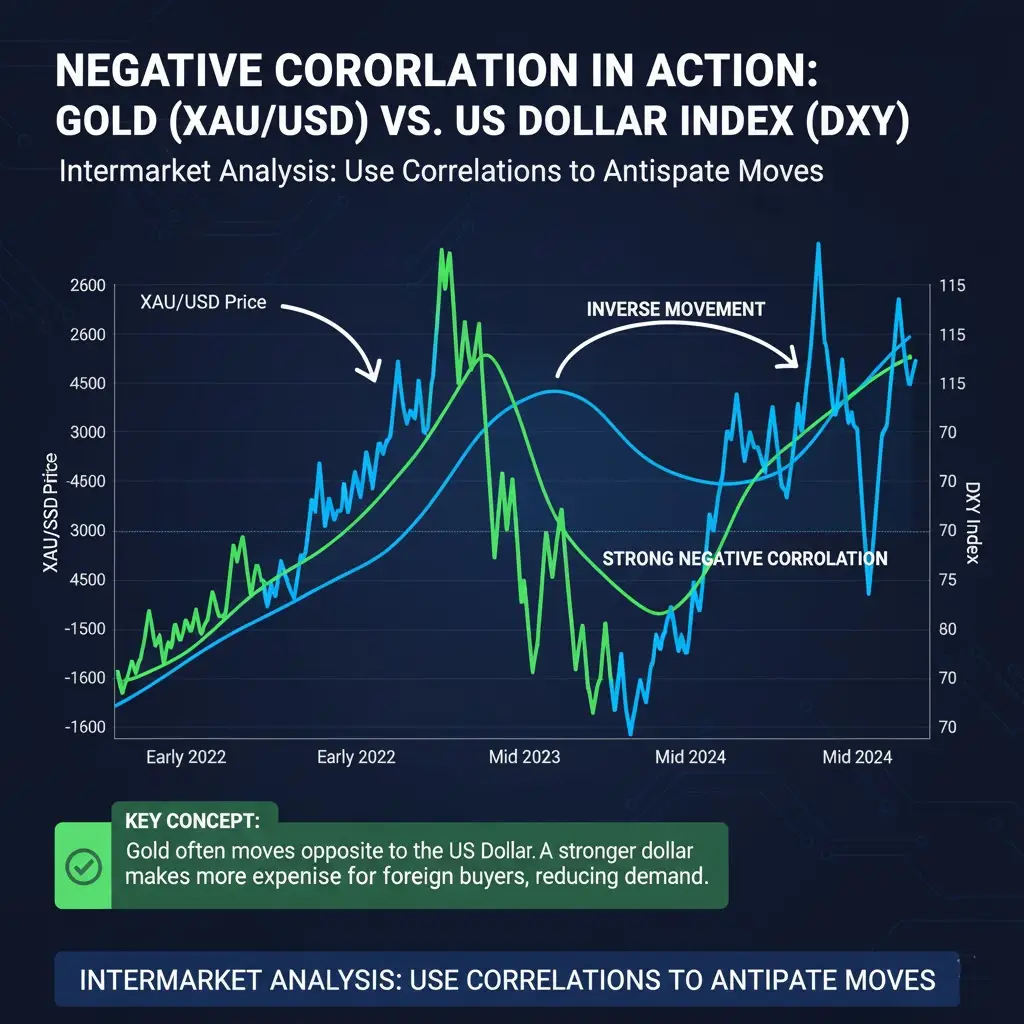
Gold vs. US Dollar (XAU/USD vs. DXY)
Historically, there’s a negative correlation between gold and the US dollar. When the dollar strengthens, gold tends to fall, and vice versa. Since gold is priced in USD, a stronger dollar makes gold more expensive for foreign buyers.
Oil vs. Canadian Dollar (WTI/Brent vs. USD/CAD)
Canada is a net oil exporter. When oil prices rise, the Canadian economy benefits, and the CAD tends to strengthen. This results in a negative correlation between oil prices and USD/CAD (a stronger CAD pushes the pair down).
Stock Indices vs. Safe Haven Currencies (S&P 500 vs. JPY, CHF)
In risk-off environments, investors leave risky assets like stocks and seek safety in currencies such as the Japanese Yen or Swiss Franc. This creates a negative correlation between indices like the S&P 500 and currency pairs like USD/JPY.

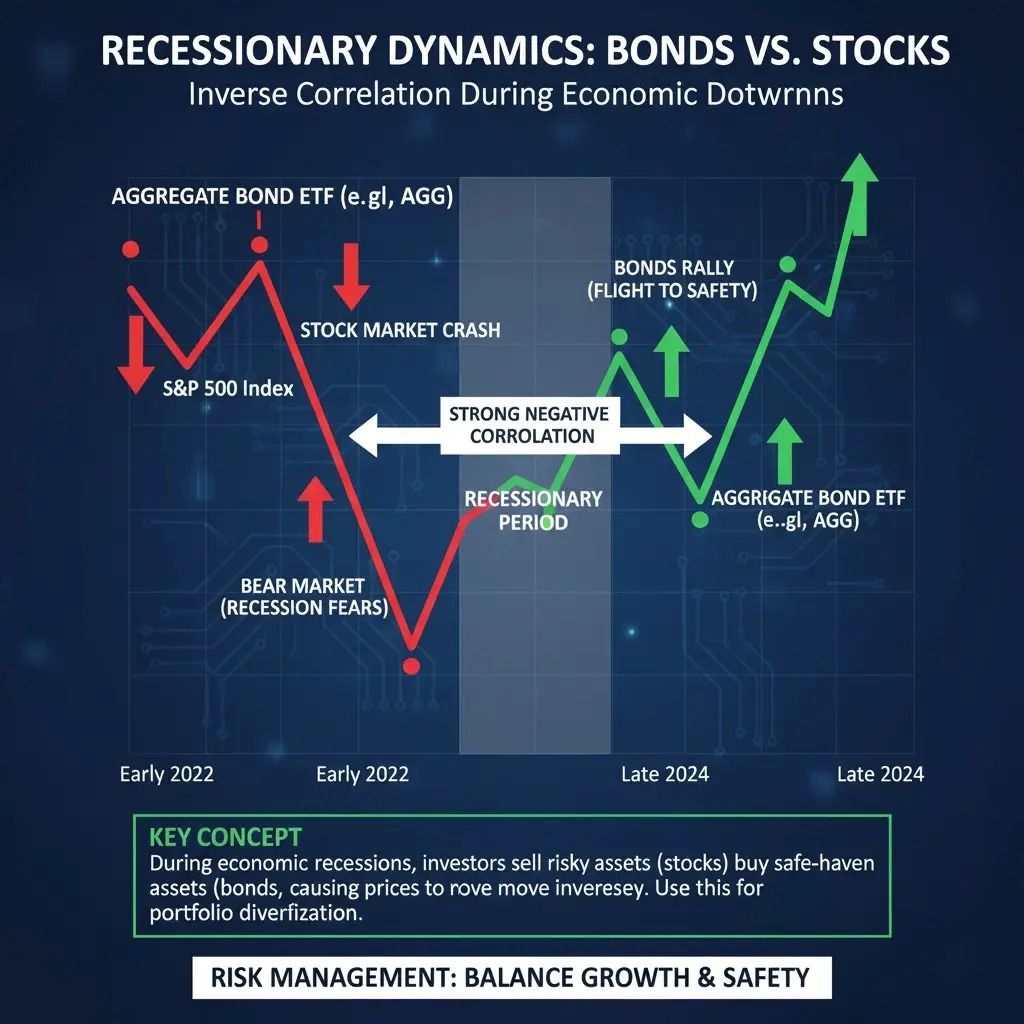
Bonds vs. Stocks
In times of economic uncertainty, investors often sell stocks and buy Treasury bonds, driving bond prices up and yields down. This creates an inverse correlation between stocks and bonds.
Practical Applications for Traders
- Avoid Overexposure: Holding trades in strongly positively correlated assets increases your risk. For instance, being long EUR/USD and GBP/USD during a USD selloff may amplify losses if the move reverses.
- Strategic Hedging: You can open opposing trades in negatively correlated assets to mitigate volatility.
- Signal Confirmation: A move in one asset can forecast its correlated counterpart. Rising oil might signal a strengthening CAD.
- Effective Diversification: Choosing assets with low or no correlation allows for a more balanced portfolio.
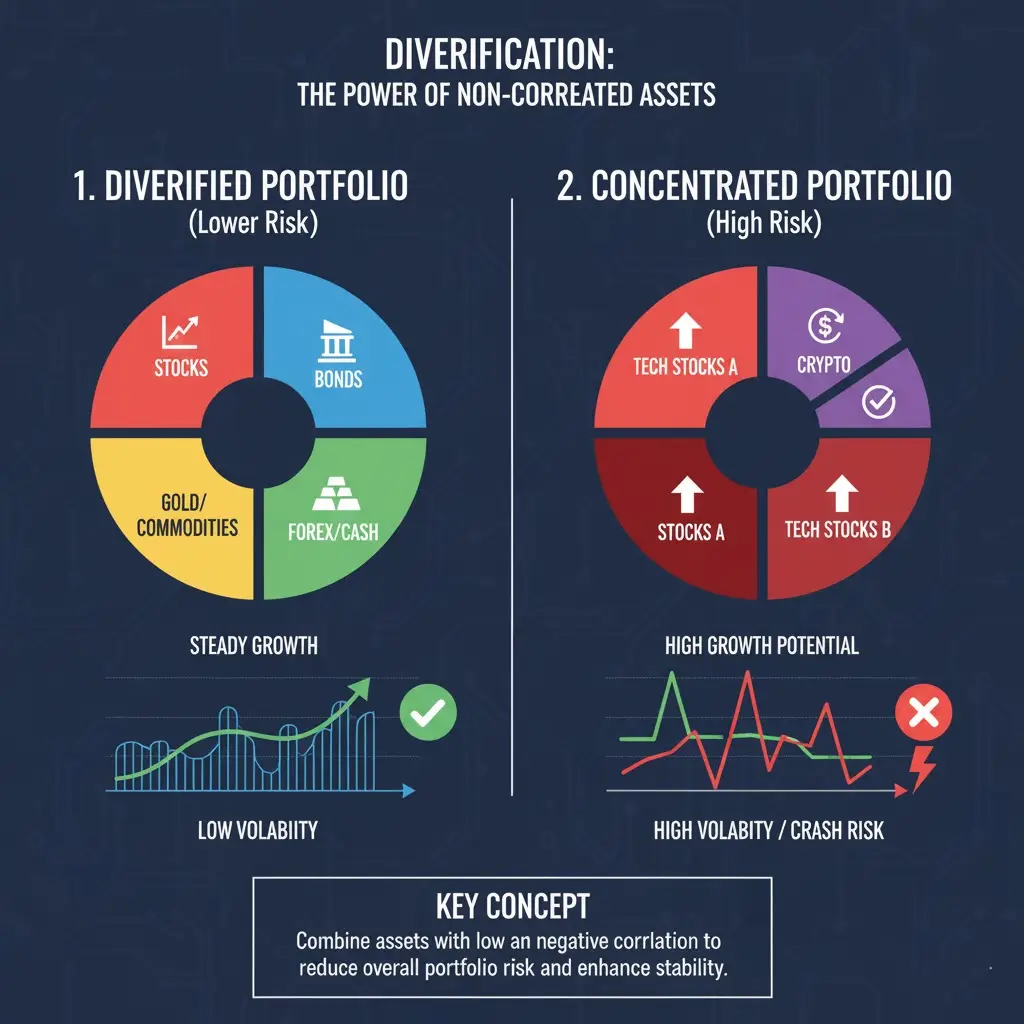
Risks of Misinterpreting Correlations
- Confusing correlation with causation: Just because two assets move together doesn’t mean one causes the other.
- Structural shifts: New monetary policies, geopolitical shocks, or trend changes can suddenly alter stable correlations.
- Time lags: Some correlations take time to materialize. For instance, interest rate hikes might hit bonds quickly but take longer to impact equities.